As the boating season winds down, many boat owners are focused on storing their vessels and enjoying the last few sunny days on the water. But winterizing your boat properly is important; skipping steps or making mistakes can lead to costly repairs, damaged equipment, and stressful spring launches.
Here’s a guide to the most common boat winterization mistakes and how to avoid them.
1. Skipping a Thorough Cleaning
One of the biggest mistakes is leaving your boat dirty. Salt, grime, and organic debris can corrode metal, stain surfaces, and create mouldy odours during the winter.
Tip: Wash your boat thoroughly inside and out. Clean upholstery, carpets, and hard surfaces, then dry everything completely before covering.
2. Not Draining Water Systems Properly
Leaving water in tanks, sinks, bilges, or engines is risky. Even a small amount can freeze, expand, and crack your plumbing or engine components.
Tip: Drain all water systems completely and add marine antifreeze where recommended to prevent freezing damage.
3. Ignoring Engine Maintenance
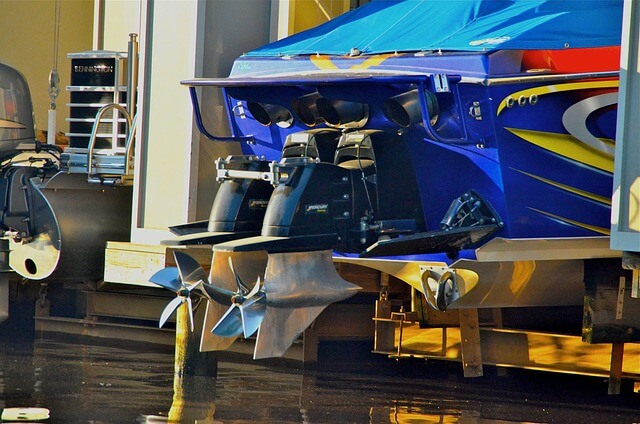
Assuming your engine will be fine over the winter is a costly mistake. Freezing temperatures can damage cylinders, gaskets, and cooling systems.
Tip: Change the oil, flush the cooling system, add antifreeze, and fog the engine cylinders. Following your owner’s manual or consulting a marine mechanic ensures your engine stays protected.
4. Forgetting Fuel Treatment
Storing your boat with untreated fuel can cause separation, corrosion, and difficult starts in the spring.
Tip: Fill your tank, add a fuel stabilizer, and run the engine long enough to circulate treated fuel throughout the system.
5. Leaving Batteries Connected
Storing a boat with batteries still hooked up drains their charge and shortens their lifespan.
Tip: Disconnect batteries, clean the terminals, and store them in a cool, dry place. Using a trickle charger will help maintain battery health.
6. Using the Wrong Cover or Skipping It
Covering your boat with an old tarp or leaving it exposed invites moisture, mould, and even pests.
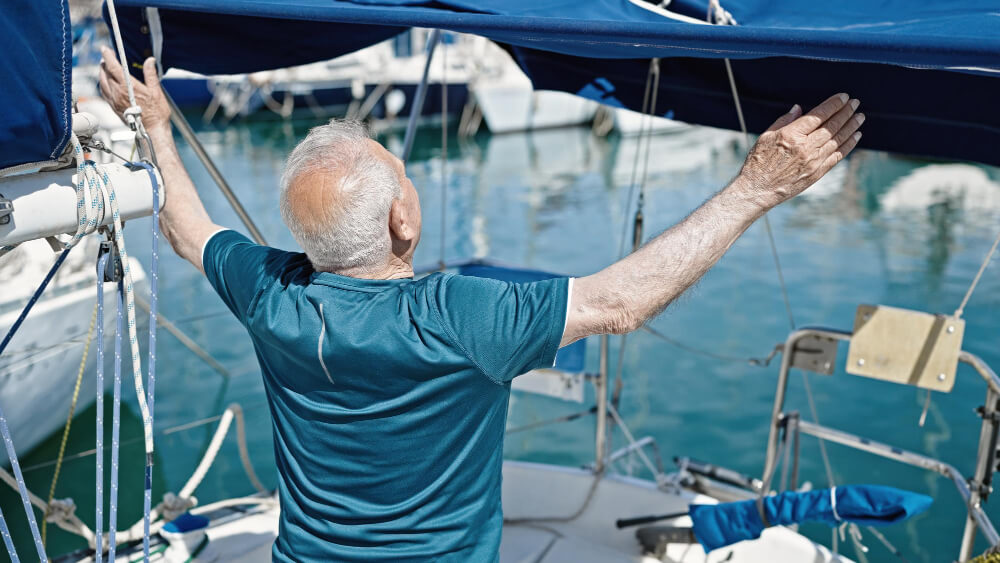
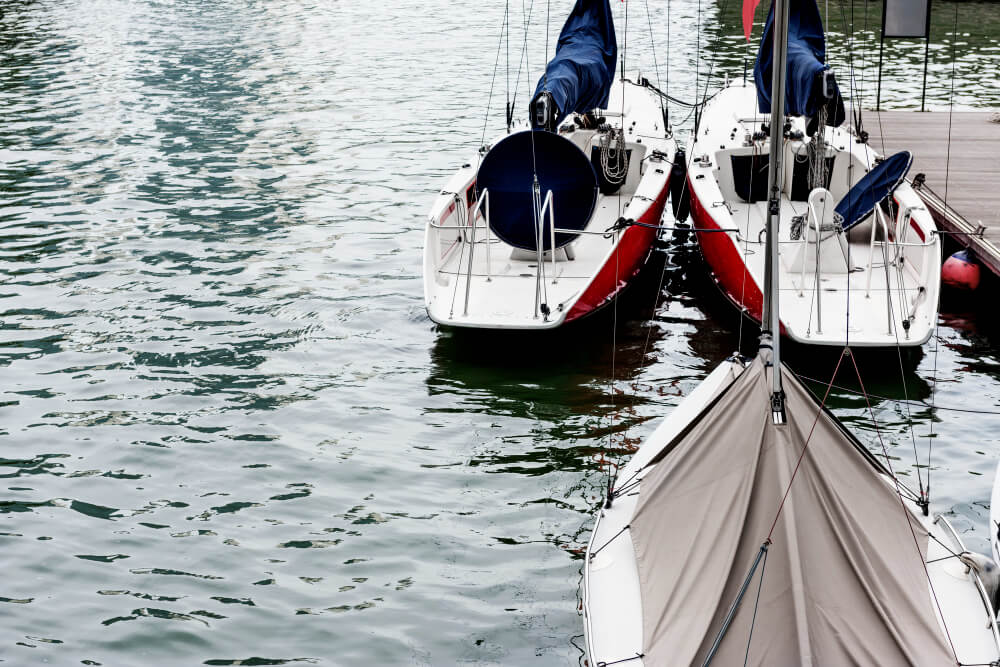
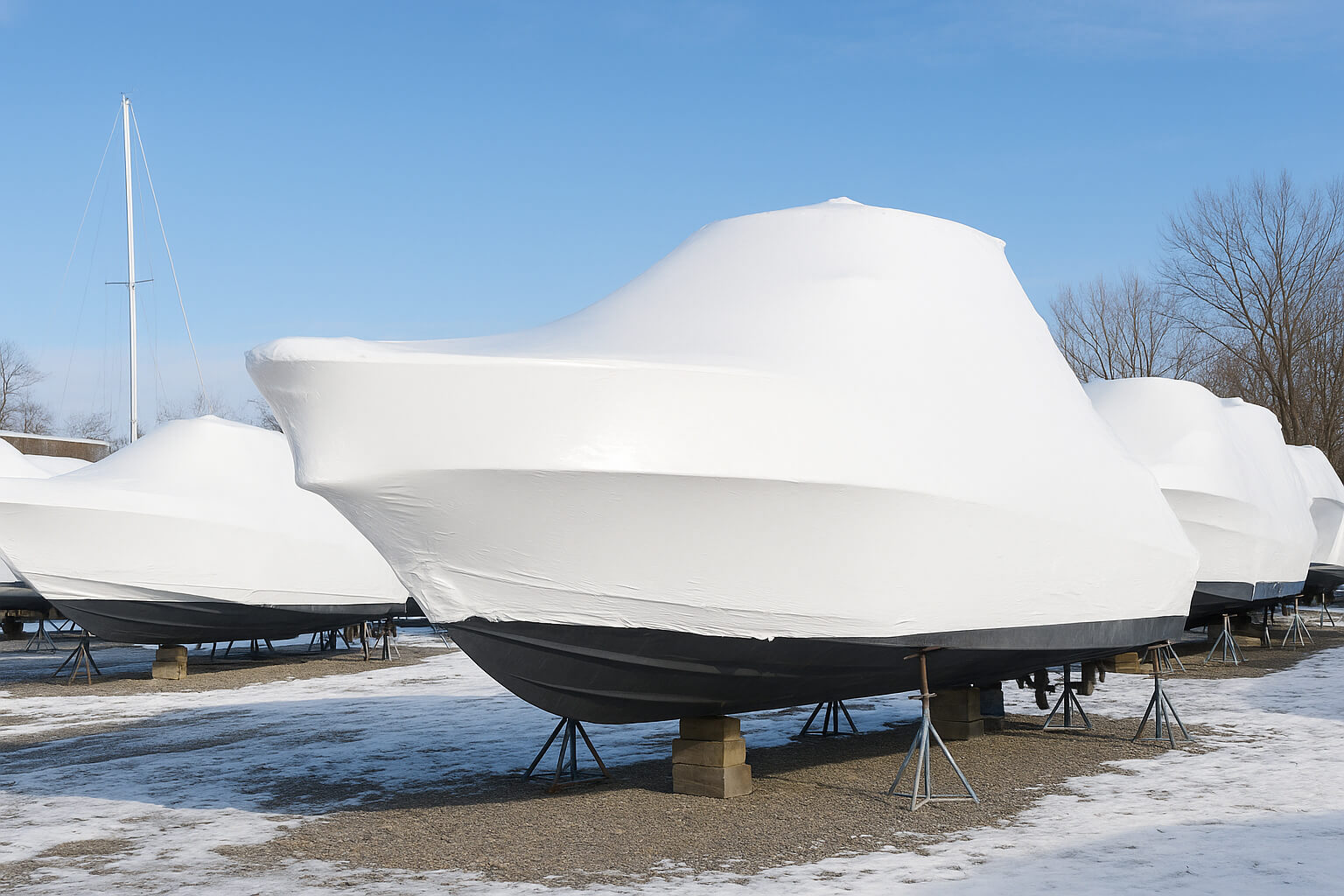
Tip: Use a proper, breathable cover that fits snugly. Consider shrink wrapping for extra protection against snow, rain, and ice. Adding desiccant packs can help absorb lingering moisture inside.
7. Leaving Gear and Accessories Onboard
Fenders, ladders, cushions, electronics, and other removable items are vulnerable during winter.
Tip: Remove all accessories and store them in a dry location. This prevents damage from moisture, rodents, or harsh weather.
8. Waiting Too Long to Winterize
Procrastination is a common mistake. Cold snaps can arrive quickly, leaving you scrambling to prepare your boat.
Tip: Plan and start winterization before the first frost hits your area. This ensures you can do everything correctly without rushing.
9. Forgetting Shrink Wrapping
Many boat owners focus on the engine and water systems, but overlook the benefits of shrink wrapping. A properly shrink-wrapped boat is protected from snow, ice, wind, and UV damage, reducing maintenance and preventing water leaks during winter storage.
Tip: Consider professional shrink wrapping as part of your winterization routine, especially if your boat will be stored outdoors or in harsh climates.
Get Your Boat Spring & Summer-Ready with OS Marine Services
At OS Marine Maintenance & Boat Repair Services, we offer professional boat winterization and shrink wrapping services to ensure your boat is fully protected. Let us handle the prep so you can enjoy worry-free storage and a smooth start when boating season returns.
Request a free quote or call us at: 1(778)237-3565