Electrical problems on a boat can happen when you least expect them. Maybe your battery keeps dying, your navigation lights stop working, or your bilge pump won’t turn on. While some issues are simple to fix, others can be difficult to find without proper testing.
The good news is that many electrical problems follow a logical pattern. By checking a few key components, you can often narrow down the cause before replacing expensive parts.
Here’s a simple step-by-step guide to help you troubleshoot common boat electrical issues.
Step 1: Start with the Battery
Most electrical problems begin with the battery.
Before looking anywhere else, inspect the battery carefully. Check if the terminals are clean and free of corrosion. Green or white buildup can prevent electricity from flowing properly.
Next, make sure the battery cables are tight. Loose connections are one of the most common reasons electrical systems stop working.
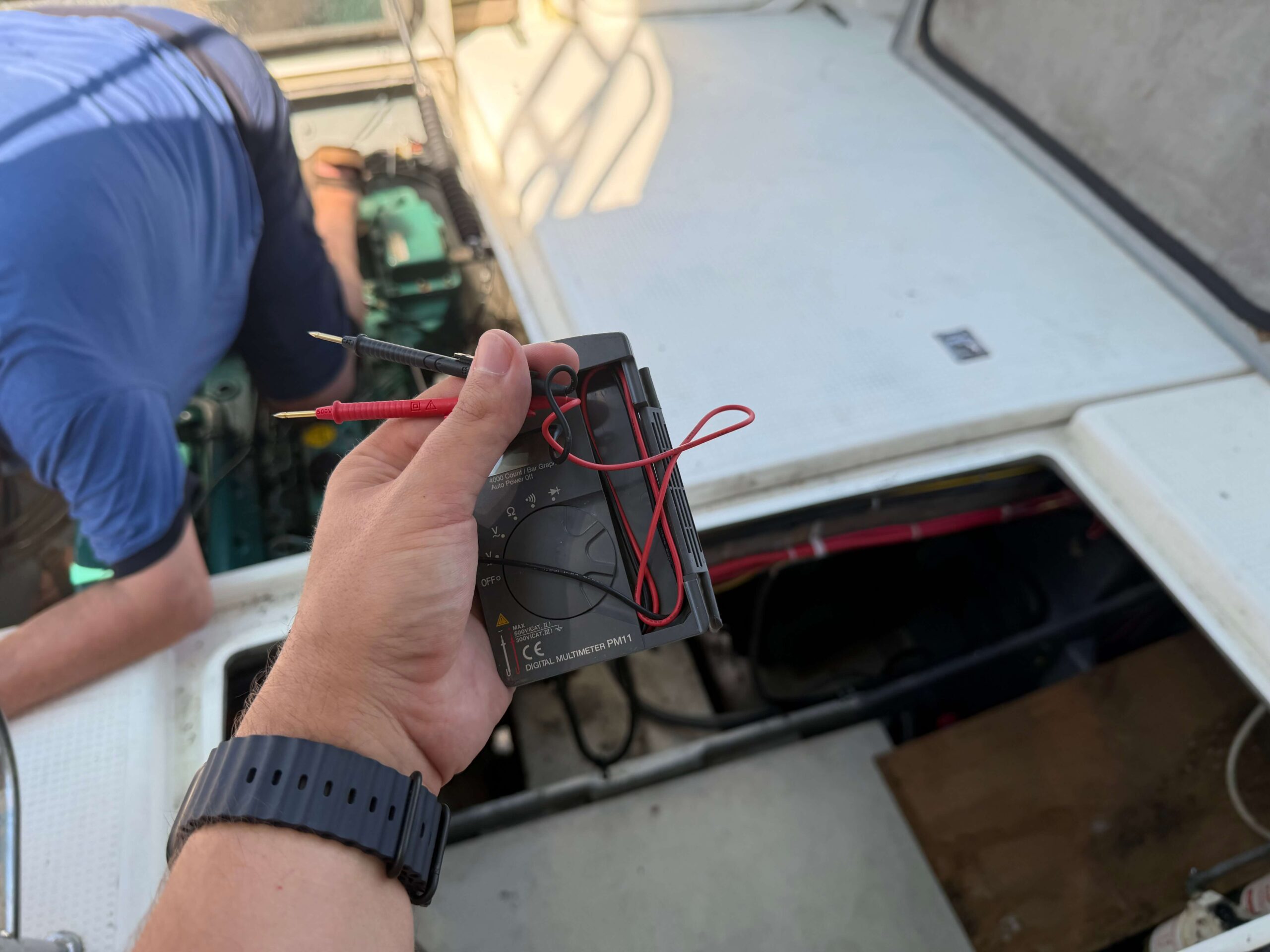
If you have a multimeter, measure the battery voltage:
- Around 12.6V means the battery is fully charged.
- Around 12.2V means it’s partially discharged.
- Below 12V usually means the battery needs charging or may be failing.
Even a newer battery can cause problems if it hasn’t been properly maintained.
Step 2: Check the Main Battery Switch
Many boat owners overlook the battery selector switch.
Make sure it’s in the correct position and that the connections behind the switch are secure. A worn or damaged switch may interrupt power to the entire electrical system.
If your boat suddenly loses all power, this is one of the first places to inspect.
Step 3: Inspect Fuses and Circuit Breakers
If one electrical component has stopped working while everything else still operates normally, check the fuse or circuit breaker.
A blown fuse often indicates a short circuit or an overloaded electrical system. Replace it with the same size and rating only.
Never install a larger fuse, as this can damage wiring and increase the risk of electrical fires.
Step 4: Look for Corroded or Damaged Wiring
Boats operate in one of the harshest environments for electrical systems.
Moisture, salt, vibration, and heat can all damage wiring over time.
Inspect visible wiring for:
- Corrosion
- Broken insulation
- Loose connectors
- Burn marks
- Frayed wires
Even a small amount of corrosion inside a connector can create enough resistance to cause intermittent electrical problems.
Step 5: Test the Charging System
If your battery keeps going dead after every trip, the charging system may not be working properly.
Start the engine and measure the battery voltage again.
A healthy alternator should normally produce between approximately 13.5V and 14.5V while the engine is running.
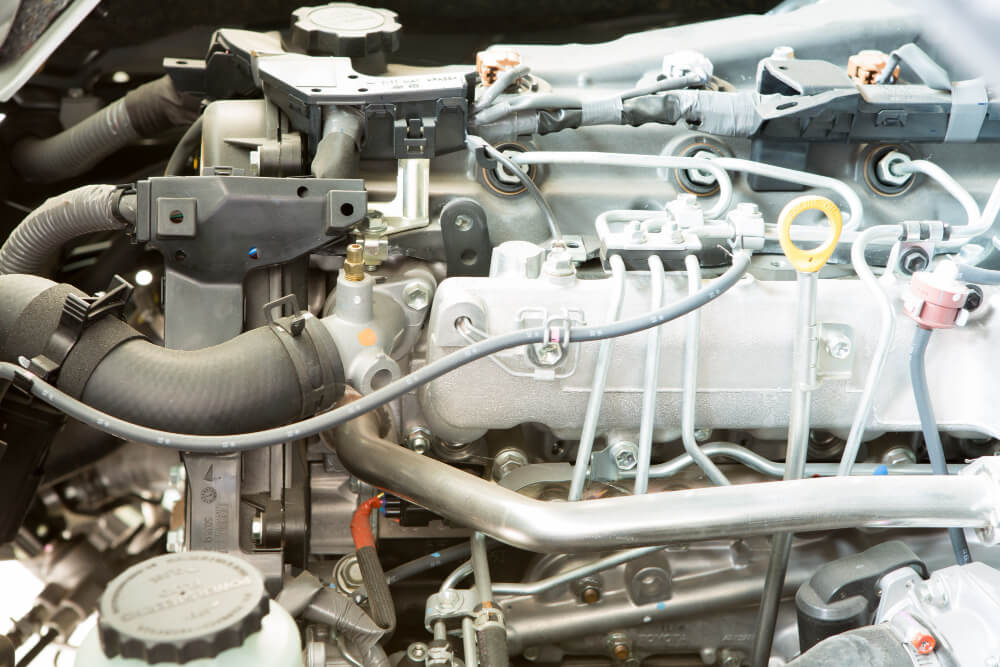
If the voltage doesn’t increase, the alternator, voltage regulator, or charging wiring may require further inspection.
Step 6: Test Individual Electrical Components
If only one accessory isn’t working, focus on that specific circuit.
This could include:
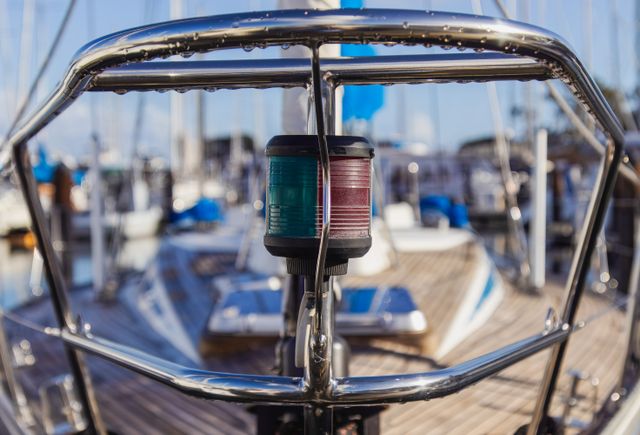
- Navigation lights
- Bilge pumps
- Horn
- GPS units
- Fish finders
- Radios
- Cabin lighting
Use a multimeter or test light to confirm whether power is reaching the component. If power is present but the equipment still doesn’t operate, the device itself may need repair or replacement.
Step 7: Don’t Ignore Strange Symptoms
Some electrical issues come and go, making them difficult to diagnose.
Watch for warning signs such as:
- Lights flickering
- Electronics randomly shutting off
- Slow engine cranking
- Burning smells
- Warm electrical connections
- Batteries losing charge quickly
These symptoms often point to a developing problem that should be addressed before it becomes more serious.
Professional Boat Electrical Troubleshooting in Maple Ridge
Electrical issues don’t have to ruin your time on the water. At OS Marine Maintenance and Boat Repair Services, we provide professional boat electrical troubleshooting to identify the root cause of electrical problems quickly and accurately.
Our experienced technicians offer mobile boat repair services, allowing us to come directly to your marina, dock, or storage location for on-site inspections. If more extensive repairs are needed, you’re also welcome to bring your boat to our fully equipped marine repair shop in Maple Ridge, where we’ll diagnose the issue and complete the necessary repairs to get you back on the water with confidence.