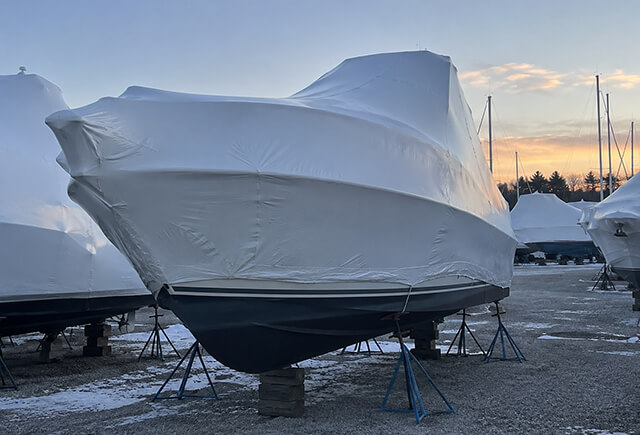

As spring and summer begin in Metro Vancouver, boaters are getting ready to head back out on the water. After a long winter of storage, one of the most important things you need to do before launching your boat is to properly de-winterize your outboard motor.
Winter storage protects your engine from cold damage, but when the new season starts, your motor needs a proper checkup to ensure everything is running safely and smoothly. Skipping this step can lead to poor performance, breakdowns, or even costly repairs later in the season.
Here’s a simple guide to help you prepare your outboard motor for the boating season.
1. Start with a Full Visual Inspection
Before you even try to start your engine, take a close look at everything. Check the outboard motor for cracks, corrosion, leaks, or any signs of damage. Look at hoses, clamps, and wiring to make sure nothing has loosened or worn out over the winter.
If your boat was stored outdoors in Metro Vancouver’s wet winter weather, moisture buildup could have caused corrosion or rust, so pay extra attention to metal parts.
2. Change or Check the Engine Oil
Oil is one of the most important parts of your engine’s health. If you didn’t change it before winter storage, now is the time.
Old oil can collect moisture and lose its ability to properly lubricate the engine. Make sure you replace it with the correct manufacturer-recommended oil for your outboard motor. Also check the oil filter and replace it if needed.
3. Inspect the Fuel System
Fuel can go bad over time, especially if it was left in the tank during winter. Stale fuel can cause starting problems, rough idling, or engine stalling.
Check your fuel lines for cracks or leaks. If you used fuel stabilizer before storage, you’re in better shape, but it’s still a good idea to replace old fuel with fresh gasoline before starting the engine.
4. Check the Battery
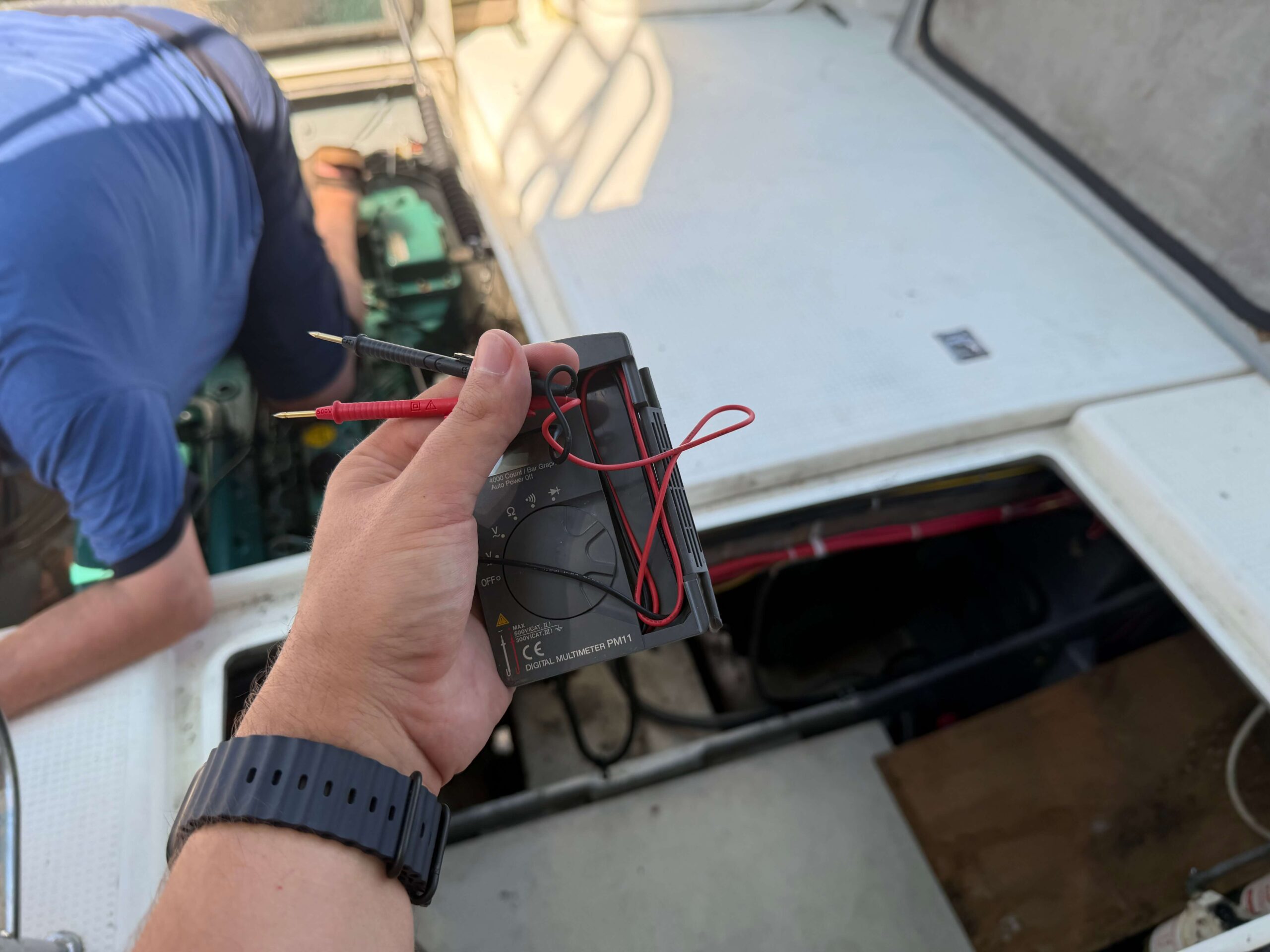
Cold weather can drain battery life. Before the season starts, fully charge your battery and test its voltage. Make sure the terminals are clean and free from corrosion.
A weak battery is one of the most common reasons boats fail to start at the beginning of the season.
5. Inspect the Cooling System
Your outboard motor depends on proper cooling to avoid overheating. Check the water intake and make sure it’s not blocked by debris or salt buildup.
When you start the engine, watch for a steady stream of water coming from the “tell-tale” outlet. If there’s no water flow, shut the engine off immediately and inspect the impeller.
6. Test the Propeller and Steering
Check your propeller for damage, fishing line, or debris wrapped around the shaft. Even small damage can affect performance and fuel efficiency.
Also, test the steering system to ensure smooth movement. Stiff or delayed steering can be a sign of cable or hydraulic issues that need attention before heading out.
7. Do a Short Test Run
Once everything looks good, run your engine briefly while the boat is secured. Listen for unusual sounds, check for smoke, and make sure everything is operating smoothly.
A short test run can help you catch small issues before they become major problems on the water.
Check Your Outboard Motor with the OS Marine Team!
Taking the time to properly de-winterize your outboard motor is one of the best ways to ensure a safe and enjoyable boating season. A little preparation now can save you from expensive repairs and unexpected breakdowns later.
If you’re unsure about any step or want a professional inspection, request a free quote from our technicians. We can help.
At OS Marine Maintenance and Boat Repair Services, we provide expert boat de-winterization and maintenance services throughout Metro Vancouver. We can come directly to any marina in the region for on-site service, and we also have our own boat repair shop located in Maple Ridge, where you can bring your boat for inspection and servicing.
Get your boat ready for the season with confidence and enjoy your time on the water without worries.